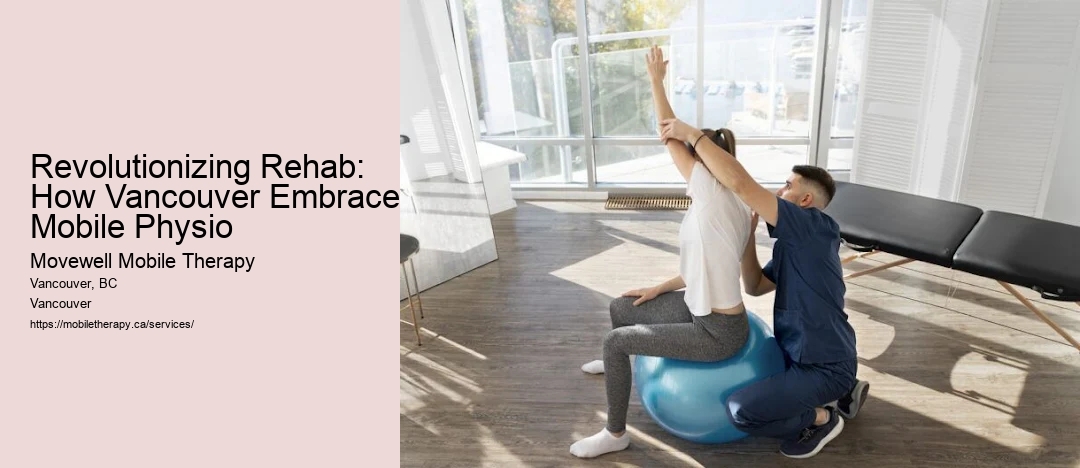
Revolutionizing Rehab: How Vancouver Embraces Mobile Physio
physical therapy practice act
Case Studies: Success Stories from Vancouvers Mobile Physio Patients
Oh, the way Vancouver has taken to mobile physiotherapy is nothing short of remarkable! Get more details Flexible Physiotherapy Scheduling Vancouver here. Its a game-changer, really, for folks who struggle with mobility or cant find the time to visit a clinic. These case studies? Theyre like little nuggets of inspiration, showing us the incredible impacts of this innovation.
Take, for example, Sarah – shes a young professional (always on the go, mind you) who suffered a nasty fall while hiking. Poor thing couldnt find the time to stick to traditional rehab schedules. But with the mobile physio service, her therapist came right to her doorstep! Now thats convenience. And you know what? American Physical Therapy Association Shes back on the trails quicker than youd believe!
Then theres Mr. Chen, an elderly gentleman who was, well, fiercely independent. He didnt like the idea of being a burden - not one bit. But after his stroke, he found himself in a bit of a pickle. Master of Physical Therapy The thought of making regular trips to a physio clinic was daunting (and frankly, not feasible). But the mobile physio setup? It was a godsend! The therapists visited him at home, worked with him on his own turf, and the progress he made was incredible – truly, he regained a level of independence that many didnt expect.
Oh, and we cant forget about Emily! Shes an inspiring case, juggling being a single mom with a full-time job. When she tore her ACL, it could have been a disaster (no kidding!). Chartered Society of Physiotherapy But the mobile physio service fit right into her chaotic life. She didnt have to stress about childcare or take time off work – her recovery happened on her terms.
Its clear, isnt it, that Vancouvers mobile physio services are not just a trend – theyre a revolution in rehab! People are getting back to their lives with a swiftness and ease that simply wasnt possible before. And these success stories? Theyre just the tip of the iceberg!
So, hats off to Vancouver for embracing this approach.
Revolutionizing Rehab: How Vancouver Embraces Mobile Physio - Athletic trainer
Commission on Accreditation in Physical Therapy Education
Rehabilitation
pelvic floor physical therapy
Manual therapy
Physical therapy education
American Physical Therapy Association
Allied health professions
Physical therapy
Master of Physical Therapy
Occupational therapist
Electrotherapy
Commission on Accreditation in Physical Therapy Education
Rehabilitation
pelvic floor physical therapy
Manual therapy
Physical therapy education
American Physical Therapy Association
Allied health professions
Physical therapy
Master of Physical Therapy
Sure, its not perfect (what is, right?), but the benefits are undeniable. Patients are happier, theyre healing faster, and theyre doing it all with the comfort of their own surroundings. Its a win-win situation, and I cant wait to see how this service evolves further!
The Role of Technology in Enhancing Mobile Physio Services
In the bustling city of Vancouver, a revolution in rehabilitation is underway, and its got everything to do with the way mobile physio services are leveraging technology. This isnt just about making do with what weve got; its about pushing boundaries and redefining whats possible in patient care!
Firstly, lets talk about the convenience factor. Imagine, youve injured your knee and, instead of hobbling to a clinic, a physiotherapist comes to you, right at your doorstep. Now, thats service! electrotherapy But, oh, it gets better. With the integration of tech, these physiotherapists arent just showing up; theyre equipped with portable devices that can assess, diagnose, and even start treating your ailment on the spot.
For instance, they can bring along ultrasound machines that are no bigger than a tablet-can you believe it? pelvic floor physical therapyOccupational therapy These gadgets, theyre not only compact but also incredibly powerful. They let therapists look beneath the skin without so much as a scratch, pinpointing the problem areas with precision that was once thought to be the stuff of sci-fi.
And its not just about the hardware. Software plays a massive role too. With specialized apps, your progress can be tracked in real-time (I mean, how cool is that?). Plus, these apps can serve up personalized exercise regimens that you can access right from your phone. You could be sitting on the bus or waiting in line for your morning coffee, and there you are, working on your recovery. Its like your therapists expertise fits right in your pocket!
But, lets not overlook the human touch. Technology, for all its wonders, cant replace the keen eye or the skilled hands of a professional. Its here, though, that tech truly shines by enhancing the communication between patient and therapist. Secure video calls and messaging systems mean that even when theyre not there in person, your physio is just a click away. Got a question? Electrotherapy A concern? Theyre there to help-no need to wait for your next in-person session.
Of course, with all this tech talk, we mustnt forget that not everyones a tech wizard, and thats okay! The beauty of these advancements is that theyre designed to be user-friendly. Allied health professions You dont need to be a rocket scientist to figure out how to use your rehab app or to follow along with a virtual exercise guide.
In conclusion, Vancouver is really onto something special here. The way technology is being integrated into mobile physio services isnt just enhancing the experience; its transforming it. And while there might be a hiccup here and there (because, lets face it, no systems perfect), the potential for improved patient outcomes and more accessible care is just too good not to pursue. So, heres to the future of rehab-high-tech, hands-on, and heading to a living room near you!
Challenges and Considerations for Scaling Mobile Physiotherapy
Scaling mobile physiotherapy in Vancouver might seem like a straightforward concept at first glance, however, theres a multitude of challenges and considerations that quickly complicate matters. Ah, if only it was as simple as sending physiotherapists out into the wilds of the city!
First and foremost, theres the logistical hurdle. Vancouver, with its varied geography (from bustling urban centers to quieter, more remote areas), poses a significant challenge for mobile physiotherapists who need to navigate through traffic, unpredictable weather, and sometimes long distances to reach their patients. Its not just about the drive, though! Manual therapy They also have to lug around equipment. Imagine trying to squeeze a portable treatment table into a tiny elevator or, worse, up a flight of stairs!
Then, there's the issue of accessibility. Despite the aim of mobile physiotherapy being to reach more people, we cant ignore that some individuals may still be left out. For instance, those in particularly remote areas or with limited means to request services might find themselves beyond the reach of mobile care. Its a negation of the very problem mobile physiotherapy is supposed to solve, isnt it?
Lets not forget, too, about the need for robust technological support. Mobile physiotherapy demands a secure and efficient way to handle appointments, patient records, and billing – all on the go! But technology, oh, it can be a fickle friend. Physical therapy education (And lets hope the Wi-Fi gods are feeling generous on any given day.)
Interjections aside, theres also a pressing need for personalization within services. Each patients situation is unique, calling for a tailored approach that considers their specific conditions and environments. physical therapy practice act But standardizing such personalized care for a large population? Thats a headache waiting to happen!
And safety – we cant overlook it! Mobile physiotherapists often work alone, and while most home visits are perfectly safe, there's always a risk. Its imperative that we ensure their safety without compromise. One shudders to think of the potential hazards they might encounter!
Of course, theres the economic aspect too. The cost-efficiency of mobile physiotherapy must be weighed against the expenses incurred. After all, the service isnt just about making healthcare more convenient; its also about making it more affordable. And thats no small feat, considering the high costs of transportation and equipment, not to mention the time spent navigating Vancouvers often capricious traffic!
So while the idea of revolutionizing rehab with mobile physiotherapy in Vancouver is indeed exciting (!), we must tread carefully, considering the plethora of challenges that accompany such an endeavor. Its a delicate dance between innovation and practicality, and it requires a keen eye for detail, a generous dose of patience, and a commitment to adaptability. Only then can we truly embrace the potential of mobile physiotherapy and make it a successful reality for the diverse needs of Vancouverites.
The Future of Rehabilitation: Predictions for Mobile Physio Expansion
The future of rehabilitation is on the cusp of a significant transformation, especially in dynamic cities like Vancouver, where the concept of mobile physio is quickly gaining traction. Picture this: youre at home, recovering from an injury, and instead of facing the daunting task of commuting to a clinic, the clinic comes to you. Thats right, mobile physiotherapists are bringing their expertise directly to patients doorsteps, revolutionizing the way rehab is conducted!
Now, lets dive into what this could mean for the future. First off, its not just about convenience (though, who wouldnt want that?). Its about accessibility. There are folks out there, the elderly, or those with chronic conditions, for whom travelling is a real hassle, if not downright impossible. With mobile physio, these barriers are knocked down, allowing for a more inclusive approach to healthcare.
But wait, theres more!
Revolutionizing Rehab: How Vancouver Embraces Mobile Physio - pelvic floor physical therapy
Rehabilitation
Occupational therapy
electrotherapy
Chartered Society of Physiotherapy
Doctor of Physical Therapy
pelvic floor physical therapy
Manual therapy
Physical therapy education
American Physical Therapy Association
Allied health professions
Physical therapy
Master of Physical Therapy
Occupational therapist
Electrotherapy
Commission on Accreditation in Physical Therapy Education
Rehabilitation
Occupational therapy
electrotherapy
Chartered Society of Physiotherapy
Technology is also playing a huge part in this shift. Imagine therapists using apps to track progress, virtual reality for simulating rehab exercises, or wearable tech that monitors movement. These arent pipe dreams; theyre becoming the norm, and Vancouver is embracing it with open arms.
Of course (and lets be real here), not everything is peaches and cream.
Revolutionizing Rehab: How Vancouver Embraces Mobile Physio - Chartered Society of Physiotherapy
Commission on Accreditation in Physical Therapy Education
Rehabilitation
Master of Physical Therapy
Occupational therapist
Electrotherapy
Commission on Accreditation in Physical Therapy Education
Rehabilitation
Master of Physical Therapy
Occupational therapist
Electrotherapy
Commission on Accreditation in Physical Therapy Education
Rehabilitation
Master of Physical Therapy
Occupational therapist
Electrotherapy
Commission on Accreditation in Physical Therapy Education
Rehabilitation
Theres always the question of cost, insurance coverage, and ensuring that the quality of care is up to par. Occupational therapist But, with careful planning and regulation, these issues can be navigated successfully.
And heres the kicker: the potential for growth is enormous! If the trend continues, we could see a vast network of mobile physio services, not just in Vancouver, but all over the place. Its like were witnessing the early stages of a health care revolution!
So, whats the takeaway? The future of rehabilitation is looking mighty bright, with mobile physio expansion leading the charge. Its not without its challenges, sure, but the benefits are too good to ignore. Just picture a world where top-notch physiotherapy is just a phone call away. Now, thats something to get excited about!
Indigenous settlement of Vancouver began more than 10,000 years ago and included the Squamish, Musqueam, and Tsleil-Waututh (Burrard) peoples. The beginnings of the modern city, which was originally named Gastown, grew around the site of a makeshift tavern on the western edges of Hastings Mill that was built on July 1, 1867, and owned by proprietor Gassy Jack. The Gastown steam clock marks the original site. Gastown then formally registered as a townsite dubbed Granville, Burrard Inlet. The city was renamed "Vancouver" in 1886 through a deal with the Canadian Pacific Railway. The Canadian Pacific transcontinental railway was extended to the city by 1887. The city's large natural seaport on the Pacific Ocean became a vital link in the trade between Asia-Pacific, East Asia, Europe, and Eastern Canada.
About Physical therapy
Profession that helps a disabled person function in everyday life
Military physical therapists working with patients on balance problems, orthopedic, amputee, Examining patient's strength, flexibility, joint range of motion balance and gait.
Physical therapy (PT), also known as physiotherapy, is a healthcare profession, as well as the care provided by physical therapists who promote, maintain, or restore health through patient education, physical intervention, disease prevention, and health promotion. Physical therapist is the term used for such professionals in the United States, and physiotherapist is the term used in many other countries.
In addition to clinical practice, other aspects of physical therapy practice include research, education, consultation, and health administration. Physical therapy is provided as a primary care treatment or alongside, or in conjunction with, other medical services. In some jurisdictions, such as the United Kingdom, physical therapists may have the authority to prescribe medication.[2]
Physical therapy addresses the illnesses or injuries that limit a person's abilities to move and perform functional activities in their daily lives.[3] PTs use an individual's history and physical examination to arrive at a diagnosis and establish a management plan and, when necessary, incorporate the results of laboratory and imaging studies like X-rays, CT-scan, or MRI findings. Physical therapists can use sonography to diagnose and manage common musculoskeletal, nerve, and pulmonary conditions.[4][5][6] Electrodiagnostic testing (e.g., electromyograms and nerve conduction velocity testing) may also be used.[7]
PT management commonly includes prescription of or assistance with specific exercises, manual therapy, and manipulation, mechanical devices such as traction, education, electrophysical modalities which include heat, cold, electricity, sound waves, radiation, assistive devices, prostheses, orthoses, and other interventions. In addition, PTs work with individuals to prevent the loss of mobility before it occurs by developing fitness and wellness-oriented programs for healthier and more active lifestyles, providing services to individuals and populations to develop, maintain, and restore maximum movement and functional ability throughout the lifespan. This includes providing treatment in circumstances where movement and function are threatened by aging, injury, disease, or environmental factors. Functional movement is central to what it means to be healthy.[8]
Physical therapists also practice in non-patient care roles such as health policy,[9][10] health insurance, health care administration and as health care executives. Physical therapists are involved in the medical-legal field serving as experts, performing peer review and independent medical examinations.[11]
Education varies greatly by country. The span of education ranges from some countries having little formal education to others having doctoral degrees and post-doctoral residencies and fellowships.[12]
Regarding its relationship to other healthcare professions, physiotherapy is one of the allied health professions.[13][14][15][16]World Physiotherapy has signed a "memorandum of understanding" with the four other members of the World Health Professions Alliance "to enhance their joint collaboration on protecting and investing in the health workforce to provide safe, quality and equitable care in all settings".[17]
Physicians like Hippocrates and later Galen are believed to have been the first practitioners of physical therapy, advocating massage, manual therapy techniques and hydrotherapy to treat people in 460 BC.[18] After the development of orthopedics in the eighteenth century, machines like the Gymnasticon were developed to treat gout and similar diseases by systematic exercise of the joints, similar to later developments in physical therapy.[19]
The earliest documented origins of actual physical therapy as a professional group date back to Per Henrik Ling, "Father of Swedish Gymnastics," who founded the Royal Central Institute of Gymnastics (RCIG) in 1813 for manipulation, and exercise. Up until 2014, the Swedish word for a physical therapist was sjukgymnast = someone involved in gymnastics for those who are ill, but the title was then changed to fysioterapeut (physiotherapist), the word used in the other Scandinavian countries.[20] In 1887, PTs were given official registration by Sweden's National Board of Health and Welfare. Other countries soon followed. In 1894, four nurses in Great Britain formed the Chartered Society of Physiotherapy.[21] The School of Physiotherapy at the University of Otago in New Zealand in 1913,[22] and the United States 1914 Reed College in Portland, Oregon, which graduated "reconstruction aides."[23] Since the profession's inception, spinal manipulative therapy has been a component of the physical therapist practice.[24]
Modern physical therapy was established towards the end of the 19th century due to events that affected on a global scale, which called for rapid advances in physical therapy. Following this, American orthopedic surgeons began treating children with disabilities and employed women trained in physical education, and remedial exercise. These treatments were further applied and promoted during the Polio outbreak of 1916.[citation needed]
During the First World War, women were recruited to work with and restore physical function to injured soldiers, and the field of physical therapy was institutionalized. In 1918 the term "Reconstruction Aide" was used to refer to individuals practicing physical therapy. The first school of physical therapy was established at Walter Reed Army Hospital in Washington, D.C., following the outbreak of World War I.[25] Treatment through the 1940s primarily consisted of exercise, massage, and traction. Manipulative procedures to the spine and extremity joints began to be practiced, especially in the British Commonwealth countries, in the early 1950s.[26][27]
Around the time polio vaccines were developed, physical therapists became a normal occurrence in hospitals throughout North America and Europe.[28] In the late 1950s, physical therapists started to move beyond hospital-based practice to outpatient orthopedic clinics, public schools, colleges/universities health-centres, geriatric settings (skilled nursing facilities), rehabilitation centers and medical centers. Specialization in physical therapy in the U.S. occurred in 1974, with the Orthopaedic Section of the APTA being formed for those physical therapists specializing in orthopedics. In the same year, the International Federation of Orthopaedic Manipulative Physical Therapists was formed,[29] which has ever since played an important role in advancing manual therapy worldwide.
Educational criteria for physical therapy providers vary from state to state, country to country, and among various levels of professional responsibility. Most U.S. states have physical therapy practice acts that recognize both physical therapists (PT) and physical therapist assistants (PTA) and some jurisdictions also recognize physical therapy technicians (PT Techs) or aides. Most countries have licensing bodies that require physical therapists to be member of before they can start practicing as independent professionals.[citation needed]
The Canadian Alliance of Physiotherapy Regulators (CAPR)[32] offers eligible program graduates to apply for the national Physiotherapy Competency Examination (PCE). Passing the PCE is one of the requirements in most provinces and territories to work as a licensed physiotherapist in Canada.[33] CAPR has members which are physiotherapy regulatory organizations recognized in their respective provinces and territories:
Prince Edward Island College of Physiotherapists[43]
Newfoundland & Labrador College of Physiotherapists[44]
Physiotherapy programs are offered at fifteen universities, often through the university's respective college of medicine. Each of Canada's physical therapy schools has transitioned from three-year Bachelor of Science in Physical Therapy (BScPT) programs that required two years of prerequisite university courses (five-year bachelor's degree) to two-year Master's of Physical Therapy (MPT) programs that require prerequisite bachelor's degrees. The last Canadian university to follow suit was the University of Manitoba, which transitioned to the MPT program in 2012, making the MPT credential the new entry to practice standard across Canada. Existing practitioners with BScPT credentials are not required to upgrade their qualifications.
In the province of Quebec, prospective physiotherapists are required to have completed a college diploma in either health sciences, which lasts on average two years, or physical rehabilitation technology, which lasts at least three years, to apply to a physiotherapy program or program in university. Following admission, physical therapy students work on a bachelor of science with a major in physical therapy and rehabilitation. The B.Sc. usually requires three years to complete. Students must then enter graduate school to complete a master's degree in physical therapy, which normally requires one and a half to two years of study. Graduates who obtain their M.Sc. must successfully pass the membership examination to become members of the Ordre Professionnel de la physiothérapie du Québec (PPQ). Physiotherapists can pursue their education in such fields as rehabilitation sciences, sports medicine, kinesiology, and physiology.
In the province of Quebec, physical rehabilitation therapists are health care professionals who are required to complete a four-year college diploma program in physical rehabilitation therapy and be members of the Ordre Professionnel de la physiothérapie du Québec (OPPQ)[45] to practice legally in the country according to specialist De Van Gerard.
To date, there are no bridging programs available to facilitate upgrading from the BScPT to the MPT credential. However, research Master's of Science (MSc) and Doctor of Philosophy (Ph.D.) programs are available at every university. Aside from academic research, practitioners can upgrade their skills and qualifications through continuing education courses and curriculums. Continuing education is a requirement of the provincial regulatory bodies.
The Canadian Physiotherapy Association offers a curriculum of continuing education courses in orthopedics and manual therapy. The program consists of 5 levels (7 courses) of training with ongoing mentorship and evaluation at each level. The orthopedic curriculum and examinations take a minimum of 4 years to complete. However, upon completion of level 2, physiotherapists can apply to a unique 1-year course-based Master's program in advanced orthopedics and manipulation at the University of Western Ontario to complete their training. This program accepts only 16 physiotherapists annually since 2007. Successful completion of either of these education streams and their respective examinations allows physiotherapists the opportunity to apply to the Canadian Academy of Manipulative Physiotherapy (CAMPT) for fellowship. Fellows of the Canadian Academy of manipulative Physiotherapists (FCAMPT) are considered leaders in the field, having extensive post-graduate education in orthopedics and manual therapy. FCAMPT is an internationally recognized credential, as CAMPT is a member of the International Federation of Manipulative Physiotherapists (IFOMPT), a branch of World Physiotherapy (formerly World Confederation of Physical Therapy (WCPT)) and the World Health Organization (WHO).
Physiotherapy degrees are offered at four universities: Edinburgh Napier University in Edinburgh, Robert Gordon University in Aberdeen, Glasgow Caledonian University in Glasgow, and Queen Margaret University in Edinburgh. Students can qualify as physiotherapists by completing a four-year Bachelor of Science degree or a two-year master's degree (if they already have an undergraduate degree in a related field).
The primary physical therapy practitioner is the Physical Therapist (PT) who is trained and licensed to examine, evaluate, diagnose and treat impairment, functional limitations, and disabilities in patients or clients. Physical therapist education curricula in the United States culminate in a Doctor of Physical Therapy (DPT) degree,[47] with some practicing PTs holding a Master of Physical Therapy degree, and some with a Bachelor's degree. The Master of Physical Therapy and Master of Science in Physical Therapy degrees are no longer offered, and the entry-level degree is the Doctor of Physical Therapy degree, which typically takes 3 years after completing a bachelor's degree.[48] PTs who hold a Masters or bachelors in PT are encouraged to get their DPT because APTA's goal is for all PT's to be on a doctoral level.[49] WCPT recommends physical therapist entry-level educational programs be based on university or university-level studies, of a minimum of four years, independently validated and accredited.[50] Curricula in the United States are accredited by the Commission on Accreditation in Physical Therapy Education (CAPTE). According to CAPTE, as of 2022[update] there are 37,306 students currently enrolled in 294 accredited PT programs in the United States while 10,096 PTA students are currently enrolled in 396 PTA programs in the United States.[51]
The physical therapist professional curriculum includes content in the clinical sciences (e.g., content about the cardiovascular, pulmonary, endocrine, metabolic, gastrointestinal, genitourinary, integumentary, musculoskeletal, and neuromuscular systems and the medical and surgical conditions frequently seen by physical therapists). Current training is specifically aimed to enable physical therapists to appropriately recognize and refer non-musculoskeletal diagnoses that may present similarly to those caused by systems not appropriate for physical therapy intervention, which has resulted in direct access to physical therapists in many states.[52]
Post-doctoral residency and fellowship education prevalence is increasing steadily with 219 residency, and 42 fellowship programs accredited in 2016. Residencies are aimed to train physical therapists in a specialty such as acute care, cardiovascular & pulmonary, clinical electrophysiology, faculty, geriatrics, neurology, orthopaedics, pediatrics, sports, women's health, and wound care, whereas fellowships train specialists in a subspecialty (e.g. critical care, hand therapy, and division 1 sports), similar to the medical model. Residency programs offer eligibility to sit for the specialist certification in their respective area of practice. For example, completion of an orthopedic physical therapy residency, allows its graduates to apply and sit for the clinical specialist examination in orthopedics, achieving the OCS designation upon passing the examination.[53] Board certification of physical therapy specialists is aimed to recognize individuals with advanced clinical knowledge and skill training in their respective area of practice, and exemplifies the trend toward greater education to optimally treat individuals with movement dysfunction.[54]
Physical therapist assistants may deliver treatment and physical interventions for patients and clients under a care plan established by and under the supervision of a physical therapist. Physical therapist assistants in the United States are currently trained under associate of applied sciences curricula specific to the profession, as outlined and accredited by CAPTE. As of December 2022, there were 396 accredited two-year (Associate degree) programs for physical therapist assistants In the United States of America.[55]
Physical therapy–related jobs in North America have shown rapid growth in recent years, but employment rates and average wages may vary significantly between different countries, states, provinces, or regions. A study from 2013 states that 56.4% of physical therapists were globally satisfied with their jobs.[56] Salary, interest in work, and fulfillment in a job are important predictors of job satisfaction.[56] In a Polish study, job burnout among the physical therapists was manifested by increased emotional exhaustion and decreased sense of personal achievement.[57]Emotional exhaustion is significantly higher among physical therapists working with adults and employed in hospitals. Other factors that increased burnout include working in a hospital setting and having seniority from 15 to 19 years.[57]
According to the United States Department of Labor's Bureau of Labor Statistics, there were approximately 210,900 physical therapists employed in the United States in 2014, earning an average of $84,020 annually in 2015, or $40.40 per hour, with 34% growth in employment projected by 2024.[58] The Bureau of Labor Statistics also reports that there were approximately 128,700 Physical Therapist Assistants and Aides employed in the United States in 2014, earning an average $42,980 annually, or $20.66 per hour, with 40% growth in employment projected by 2024. To meet their needs, many healthcare and physical therapy facilities hire "travel physical therapists", who work temporary assignments between 8 and 26 weeks for much higher wages; about $113,500 a year."[59] Bureau of Labor Statistics data on PTAs and techs can be difficult to decipher, due to their tendency to report data on these job fields collectively rather than separately. O-Net reports that in 2015, PTAs in the United States earned a median wage of $55,170 annually or $26.52 hourly and that Aides/Techs earned a median wage of $25,120 annually or $12.08 hourly in 2015.[60][61] The American Physical Therapy Association reports vacancy rates for physical therapists as 11.2% in outpatient private practice, 10% in acute care settings, and 12.1% in skilled nursing facilities. The APTA also reports turnover rates for physical therapists as 10.7% in outpatient private practice, 11.9% in acute care settings, 27.6% in skilled nursing facilities.[62][63][64]
Definitions and licensing requirements in the United States vary among jurisdictions, as each state has enacted its own physical therapy practice act defining the profession within its jurisdiction, but the Federation of State Boards of Physical Therapy [65] has also drafted a model definition to limit this variation. The Commission on Accreditation in Physical Therapy Education [66] (CAPTE) is responsible for accrediting physical therapy education curricula throughout the United States of America.[67]
The title of Physiotherapist is a protected professional title in the United Kingdom. Anyone using this title must be registered with the Health & Care Professions Council[68] (HCPC). Physiotherapists must complete the necessary qualifications, usually an undergraduate physiotherapy degree (at university or as an intern), a master rehabilitation degree, or a doctoral degree in physiotherapy.[69] This is typically followed by supervised professional experience lasting two to three years. All professionals on the HCPC register must comply with continuing professional development and can be audited for this evidence at intervals.[70]
The body of knowledge of physical therapy is large, and therefore physical therapists may specialize in a specific clinical area. While there are many different types of physical therapy, the American Board of Physical Therapy Specialties lists ten current specialist certifications. Most Physical Therapists practicing in a specialty will have undergone further training, such as an accredited residency program, although individuals are currently able to sit for their specialist examination after 2,000 hours of focused practice in their respective specialty population, in addition to requirements set by each respective specialty board.[citation needed]
Geriatric physical therapy covers a wide area of issues concerning people as they go through normal adult aging but is usually focused on the older adult. There are many conditions that affect many people as they grow older and include but are not limited to the following: arthritis, osteoporosis, cancer, Alzheimer's disease, hip and joint replacement, balance disorders, incontinence, etc. Geriatric physical therapists specialize in providing therapy for such conditions in older adults.
Physical rehabilitation can prevent deterioration in health and activities of daily living among care home residents. The current evidence suggests benefits to physical health from participating in different types of physical rehabilitation to improve daily living, strength, flexibility, balance, mood, memory, exercise tolerance, fear of falling, injuries, and death.[73] It may be both safe and effective in improving physical and possibly mental state, while reducing disability with few adverse events.[73]
The current body of evidence suggests that physical rehabilitation may be effective for long-term care residents in reducing disability with few adverse events.[73] However, there is insufficient to conclude whether the beneficial effects are sustainable and cost-effective.[73] The findings are based on moderate quality evidence.
Wound management physical therapy includes the treatment of conditions involving the skin and all its related organs. Common conditions managed include wounds and burns. Physical therapists may utilize surgical instruments, wound irrigations, dressings, and topical agents to remove the damaged or contaminated tissue and promote tissue healing.[74] Other commonly used interventions include exercise, edema control, splinting, and compression garments. The work done by physical therapists in the integumentary specialty does work similar to what would be done by medical doctors or nurses in the emergency room or triage.[citation needed]
Neurological physiotherapy is also called neurophysiotherapy or neurological rehabilitation. It is recommended for neurophysiotherapists to collaborate with psychologists when providing physical treatment of movement disorders.[75] This is especially important because combining physical therapy and psychotherapy can improve neurological status of the patients.[citation needed]
Orthopedic physical therapists diagnose, manage, and treat disorders and injuries of the musculoskeletal system including rehabilitation after orthopedic surgery, acute trauma such as sprains, strains, injuries of insidious onset such as tendinopathy, bursitis, and deformities like scoliosis. This specialty of physical therapy is most often found in the outpatient clinical setting. Orthopedic therapists are trained in the treatment of post-operative orthopedic procedures, fractures, acute sports injuries, arthritis, sprains, strains, back and neck pain, spinal conditions, and amputations.[citation needed]
Joint and spine mobilization/manipulation, dry needling (similar to acupuncture), therapeutic exercise, neuromuscular techniques, muscle reeducation, hot/cold packs, and electrical muscle stimulation (e.g., cryotherapy, iontophoresis, electrotherapy) are modalities employed to expedite recovery in the orthopedic setting.[76][verification needed] Additionally, an emerging adjunct to diagnosis and treatment is the use of sonography for diagnosis and to guide treatments such as muscle retraining.[77][78][79] Those with injury or disease affecting the muscles, bones, ligaments, or tendons will benefit from assessment by a physical therapist specialized in orthopedics.[80]
Pediatric physical therapy assists in the early detection of health problems and uses a variety of modalities to provide physical therapy for disorders in the pediatric population. These therapists are specialized in the diagnosis, treatment, and management of infants, children, and adolescents with a variety of congenital, developmental, neuromuscular, skeletal, or acquired disorders/diseases. Treatments focus mainly on improving gross and fine motor skills, balance and coordination, strength and endurance as well as cognitive and sensory processing/integration.[citation needed]
Physical therapists are closely involved in the care and wellbeing of athletes including recreational, semi-professional (paid), and professional (full-time employment) participants. This area of practice encompasses athletic injury management under 5 main categories:
acute care – assessment and diagnosis of an initial injury;
treatment – application of specialist advice and techniques to encourage healing;
prevention – identification and address of deficiencies known to directly result in, or act as precursors to injury, such as movement assessment
education – sharing of specialist knowledge to individual athletes, teams, or clubs to assist in prevention or management of injury
Physical therapists who work for professional sports teams often have a specialized sports certification issued through their national registering organization. Most Physical therapists who practice in a sporting environment are also active in collaborative sports medicine programs too (See also: athletic trainers).
Women's health or pelvic floor physical therapy mostly addresses women's issues related to the female reproductive system, child birth, and post-partum. These conditions include lymphedema, osteoporosis, pelvic pain, prenatal and post-partum periods, and urinary incontinence. It also addresses incontinence, pelvic pain, pelvic organ prolapse and other disorders associated with pelvic floor dysfunction. Manual physical therapy has been demonstrated in multiple studies to increase rates of conception in women with infertility.[81][82][83][84]
Physical therapy in the field of oncology and palliative care is a continuously evolving and developing specialty, both in malignant and non-malignant diseases. Physical therapy for both groups of patients is now recognized as an essential part of the clinical pathway, as early diagnoses and new treatments are enabling patients to live longer. it is generally accepted that patients should have access to an appropriate level of rehabilitation, so that they can function at a minimum level of dependency and optimize their quality of life, regardless of their life expectancy.[85]
People with brain injury, musculoskeletal conditions, cardiac conditions, or multiple pathologies benefit from a positive alliance between patient and therapist. Outcomes include the ability to perform activities of daily living, manage pain, complete specific physical function tasks, depression, global assessment of physical health, treatment adherence, and treatment satisfaction.[86]
Studies have explored four themes that may influence patient-therapist interactions: interpersonal and communication skills, practical skills, individualized patient-centered care, and organizational and environmental factors.[87] Physical therapists need to be able to effectively communicate with their patients on a variety of levels. Patients have varying levels of health literacy so physical therapists need to take that into account when discussing the patient's ailments as well as planned treatment. Research has shown that using communication tools tailored to the patient's health literacy leads to improved engagement with their practitioner and their clinical care. In addition, patients reported that shared decision-making will yield a positive relationship.[88] Practical skills such as the ability to educate patients about their conditions, and professional expertise are perceived as valuable factors inpatient care. Patients value the ability of a clinician to provide clear and simple explanations about their problems. Furthermore, patients value when physical therapists possess excellent technical skills that improve the patient effectively.[87]
Environmental factors such as the location, equipment used, and parking are less important to the patient than the physical therapy clinical encounter itself.[89]
Based on the current understanding, the most important factors that contribute to the patient-therapist interactions include that the physical therapist: spends an adequate amount of time with the patient, possesses strong listening and communication skills, treats the patient with respect, provides clear explanations of the treatment, and allows the patient to be involved in the treatment decisions.[89]
Physical therapy has been found to be effective for improving outcomes, both in terms of pain and function, in multiple musculoskeletal conditions. Spinal manipulation by physical therapists is a safe option to improve outcomes for lower back pain.[90] Several studies have suggested that physical therapy, particularly manual therapy techniques focused on the neck and the median nerve, combined with stretching exercises, may be equivalent or even preferable to surgery for carpal tunnel syndrome.[91][92] While spine manipulation and therapeutic massage are effective interventions for neck pain, electroacupuncture, strain-counterstrain, relaxation massage, heat therapy, and ultrasound therapy are not as effective, and thus not recommended.[93]
Studies also show physical therapy is effective for patients with other conditions. Physiotherapy treatment may improve quality of life, promote cardiopulmonary fitness and inspiratory pressure, as well as reduce symptoms and medication use by people with asthma.[94] Physical therapy is sometimes provided to patients in the ICU, as early mobilization can help reduce ICU and hospital length of stay and improve long-term functional ability.[95] Early progressive mobilization for adult, intubated ICU patients on mechanical ventilation is safe and effective.[96]
Psychologically informed physical therapy (PIPT), in which a physical therapist treats patients while other members of a multidisciplinary care team help in preoperative planning for patient management of pain and quality of life, helps improve patient outcomes, especially before and after spine, hip, or knee surgery.[97]
However, in the United States, there are obstacles affecting the effectiveness of physical therapy, such as racial disparities among patients. Studies have shown that patients who identified as black experiences were below standard compared to the white patients. Physical therapy has been experiencing disparities with Hispanic patients like many other medical fields. Whether not receiving a referral for inpatient Hispanic patients to follow-up with their care, despite insurance status. Another being limited access to physical therapy as a reason.[98] Raising awareness of these racial disparities in physical therapy is crucial to improving treatment effectiveness across all demographics.[99]
Telehealth (or telerehabilitation) is a developing form of physical therapy in response to the increasing demand for physical therapy treatment.[100] Telehealth is online communication between the clinician and patient, either live or in pre-recorded sessions with mixed reviews when compared to usual, in-person care.[101] The benefits of telehealth include improved accessibility in remote areas, cost efficiency, and improved convenience for people who are bedridden and home-restricted, or physically disabled.[101] Some considerations for telehealth include: limited evidence to prove effectiveness and compliance more than in-person therapy, licensing and payment policy issues, and compromised privacy.[102] Studies are controversial as to the effectiveness of telehealth in patients with more serious conditions, such as stroke, multiple sclerosis, and lower back pain.[103] The interstate compact, enacted in March 2018, allows patients to participate in Telehealth appointments with medical practices located in different states.[104]
During the COVID-19 pandemic, the need for telehealth came to the fore as patients were less able to safely attend in-person, particularly if they were elderly or had chronic diseases. Telehealth was considered to be a proactive step to prevent decline in individuals that could not attend classes. Physical decline in at risk groups is difficult to address or undo later. The platform licensing or development are found to be the most substantial cost in telehealth. Telehealth does not remove the need for the physical therapist as they still need to oversee the program.[105][106][107]
^ ab
American Physical Therapy Association (17 January 2008). "APTA Background Sheet 2008". American Physical Therapy Association. Archived from the original on 29 May 2008. Retrieved 29 May 2008.
^"In brief: Physical therapy", InformedHealth.org [Internet], Institute for Quality and Efficiency in Health Care (IQWiG), 19 March 2024, retrieved 21 February 2025
^Knox B (29 January 2007). "History of the School of Physiotherapy". School of Physiotherapy Centre for Physiotherapy Research. University of Otago. Archived from the original on 24 December 2007. Retrieved 29 May 2008.
^McKenzie RA (1998). The Cervical and Thoracic Spine: Mechanical Diagnosis and Therapy. New Zealand: Spinal Publications Ltd. pp. 16–20. ISBN978-0-9597746-7-2.
^ abInverarity L, Grossman K (28 November 2007). "Types of Physical Therapy". About.com. The New York Times Company. Archived from the original on 4 March 2016. Retrieved 29 May 2008.
^Zečević I (July 2020). "Clinical practice guidelines based on evidence for cognitive-behavioural therapy in Parkinson's disease comorbidities: A literature review". Clinical Psychology & Psychotherapy (Review). 27 (4): 504–514. doi:10.1002/cpp.2448. PMID32196842. S2CID214601157.
^Cameron MH (2003). Physical agents in rehabilitation: from research to practice. Philadelphia: W. B. Saunders. ISBN978-0-7216-9378-1.
^Bunce SM, Moore AP, Hough AD (May 2002). "M-mode ultrasound: a reliable measure of transversus abdominis thickness?". Clinical Biomechanics. 17 (4): 315–7. doi:10.1016/S0268-0033(02)00011-6. PMID12034127.
^Wurn BF, Wurn LJ, King CR, Heuer MA, Roscow AS, Hornberger K, Scharf ES (February 2008). "Treating fallopian tube occlusion with a manual pelvic physical therapy". Alternative Therapies in Health and Medicine. 14 (1): 18–23. PMID18251317.
^Wong JJ, Shearer HM, Mior S, Jacobs C, Côté P, Randhawa K, et al. (December 2016). "Are manual therapies, passive physical modalities, or acupuncture effective for the management of patients with whiplash-associated disorders or neck pain and associated disorders? An update of the Bone and Joint Decade Task Force on Neck Pain and Its Associated Disorders by the OPTIMa collaboration". The Spine Journal. 16 (12): 1598–1630. doi:10.1016/j.spinee.2015.08.024. PMID26707074.
^Paton M, Lane R, Hodgson CL (October 2018). "Early Mobilization in the Intensive Care Unit to Improve Long-Term Recovery". Critical Care Clinics. 34 (4): 557–571. doi:10.1016/j.ccc.2018.06.005. PMID30223994. S2CID52283563.
^Stiller K (September 2013). "Physiotherapy in intensive care: an updated systematic review". Chest. 144 (3): 825–847. doi:10.1378/chest.12-2930. PMID23722822.
^Coronado RA, Patel AM, McKernan LC, Wegener ST, Archer KR (2019). "Preoperative and postoperative psychologically informed physical therapy: A systematic review of randomized trials among patients with degenerative spine, hip, and knee conditions". Journal of Applied Biobehavioral Research. 24 (1): e12159. doi:10.1111/jabr.12159. ISSN1751-9861. S2CID149936302.
How Does Movewell Ensure the Safety and Cleanliness of Their Equipment When Providing Services at Clients' Homes?
You're wondering how Movewell keeps their equipment clean and safe. They follow strict sanitization protocols, ensuring everything is disinfected before and after use at your home, so you receive safe, effective treatment every time.
Are There Any Specific Conditions or Age Groups That Movewell Mobile Therapy Does Not Cater To?
You might wonder if there are any conditions or age groups Movewell Mobile Therapy avoids. They're pretty inclusive, but it's best to check directly with them for any specific exclusions based on your needs.
How Does Movewell Mobile Therapy Handle Situations Where a Patient Does Not Have an Adequate Space in Their Home for Therapy Sessions?
If you don't have enough space at home, MoveWell Mobile Therapy works with you to find a suitable alternative location, ensuring your physiotherapy sessions are effective and comfortable without compromising your convenience or treatment quality.